
Interactive Self-Service Kiosks: What Businesses Need to Know Before They Scale
by Scala Team
Interactive Self-Service Kiosks: What Businesses Need to Know Before They Scale
by Scala Team
Most businesses want to expand this experience through interactive self-service kiosks across different locations, but they’ll need to look beyond implementation and review the full ecosystem behind self-service kiosk solutions to achieve successful scale.
What Businesses Need To Get Right First
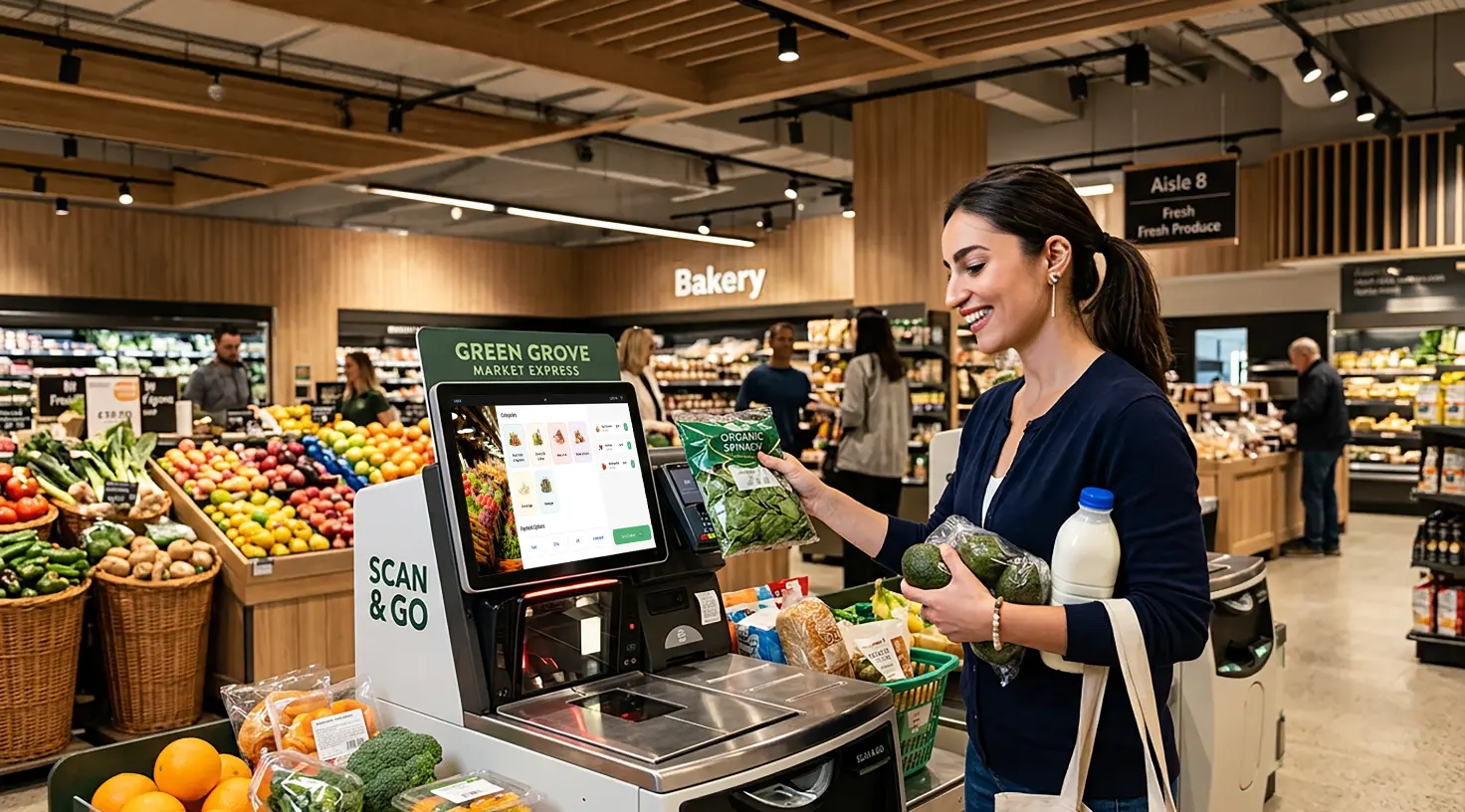
Interactive kiosk systems are the best tool for both customers and the sector, as they can handle repetitive tasks such as ordering, check-in, ticketing, payments, directory searches and information delivery without requiring staff at every step. These enterprise self-service kiosks help deliver a better customer experience while improving staff output.
Before growing the number of enterprise self-service kiosks, it’s important to understand the conditions first, such as where the self-service kiosks will be placed. What happens if the network slows down? How will the content be updated? Can the kiosk be connected to existing systems?
These questions are important because the success of interactive kiosk systems is not just about interface design. The best implementations feature a simple customer journey, reliable hardware, cloud-connected management and proper integration.
Design with the Customer In Mind
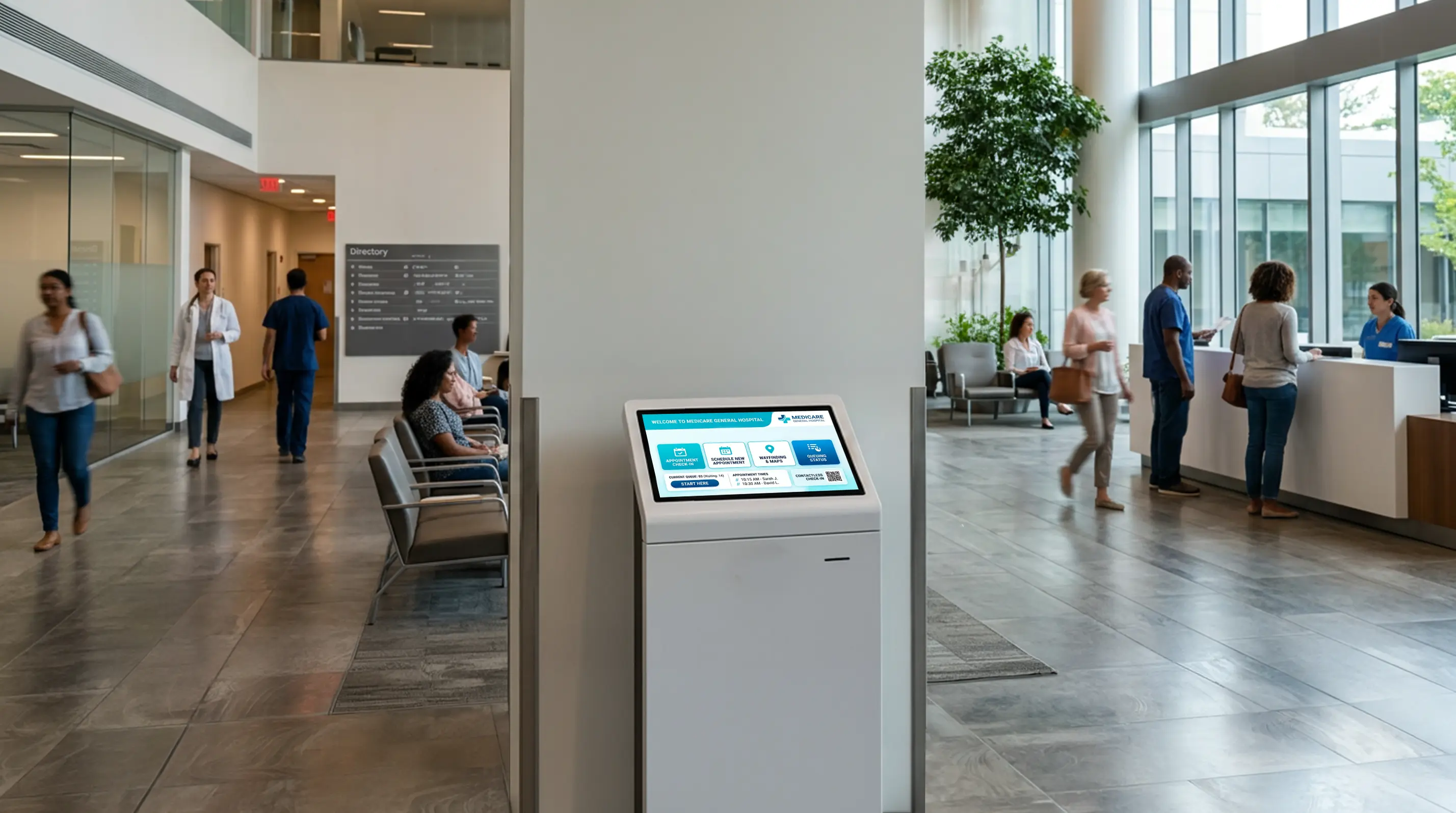
A self-service kiosk should be simple enough for a first-time user to navigate. If the screen feels crowded, the language is too technical, or the process takes too long, people hesitate and walk away.
An effective interactive self-service kiosk should have clear prompts and icons. That means fewer steps and touchpoints, and no room for confusion. It also means thinking carefully about accessibility, multilingual support and the physical surroundings of the screen. Scala Creative Services can help businesses create the right user flow and design to make enterprise self-service kiosks user-friendly and efficient.
Integration is What Makes Kiosks Useful
An interactive kiosk system becomes much more valuable when it is connected to the systems that run the business. This includes point-of-sale platforms, inventory systems, loyalty programs, booking engines and service workflows.
The self-service kiosk will end up as a digital front end without these integrations. A customer can place an order, check current stock and confirm an appointment.
Reliability Matters More at Scale
One kiosk can be managed manually, but when businesses have more than fifty, manual updates are impossible. Reliability becomes critical once businesses start rolling out enterprise self-service kiosks across multiple sites.
Scala’s cloud-based CMS allows teams to check that all their devices are healthy, the content is current and the software is working properly and at the same capacity everywhere.
Building a Kiosk Network That Scales
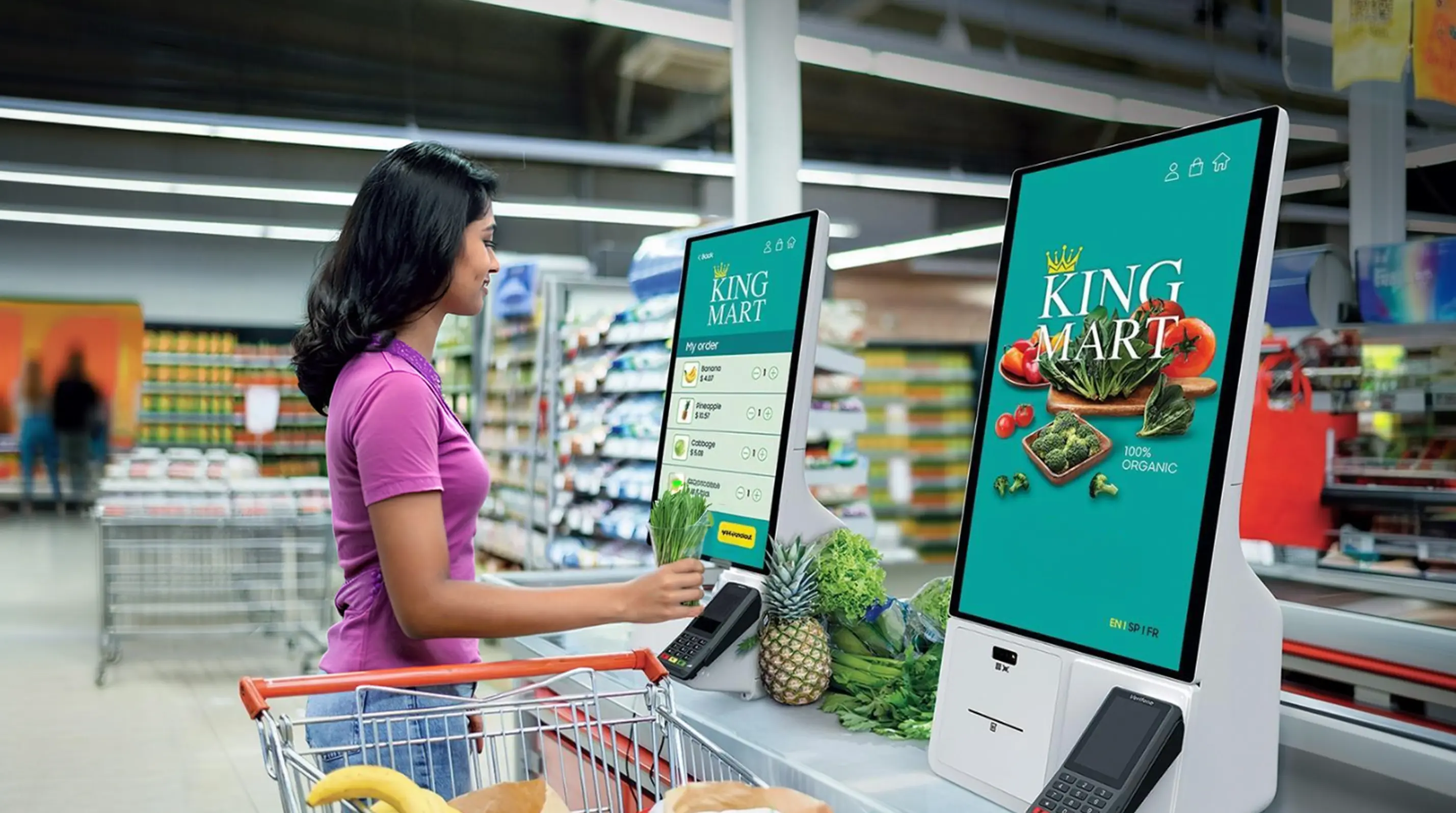
Scala’s interactive kiosk systems are designed for environments where self-service needs to scale consistently. It includes self-ordering, virtual concierge, hotel self-check-in/out, wayfinding and can be integrated with existing systems. That gives businesses a practical way forward.
These are important factors to consider for Self-Service Kiosk Solutions:
- Simple, intuitive UX.
- Strong integration with core systems.
- Cloud-based content and device management.
- Support for multiple locations and languages.
- Reliable hardware and proactive maintenance.
- Analytics that show what customers are doing and where they drop off.
These are the features that separate a pilot from a rollout that can actually grow.
Scaling The Right Way
If you are evaluating enterprise self-service kiosks, the best place to start is not with more hardware. It’s by understanding the full experience in mind: how users navigate it, how the teams properly manage it and how the system performs as demand grows. Learn more today at scala.com/in
About the Author:
Scala digital signage experts share their experience and thoughts in our blog to provide practical tips and advice for real-world applications. Our team aims to offer interesting content through a variety of formats including long form articles, video logs, interviews and infographics.