
Scaling Digital Signage in India: The Hidden Risk of Consumer Media Players
by Jasdeep Kohli
Scaling Digital Signage in India: The Hidden Risk of Consumer Media Players
by Jasdeep Kohli
Many organisations across India still rely on Windows Media Player for customer-facing screens because it’s already installed, already familiar, and technically “free.” And at a small scale, that logic holds. But digital signage isn’t just about video playback. It’s about infrastructure, visibility, and controls.
- Windows Media Player: Strong Desktop Tool. Limited Infrastructure Tool.
- Manual Campaign Rollouts
- The ₹ Multiplier Effect
- Why Consumer Playback Tools Struggle in Indian Deployments
- Digital Signage Has Evolved Beyond Video Playback Features
- Windows Media Player vs Enterprise Digital Media Player
- Purpose-Built for Business Communication
Windows Media Player: Strong Desktop Tool. Limited Infrastructure Tool.
Let’s be clear: Windows Media Player has served users well for decades. Its Windows Media Player hidden features include:
- Smart playlists
- Local library organisation
- Basic network streaming
- Broad support for common video playback features
For personal use or internal training rooms, it’s reliable.
You’ll even find plenty of Windows Media Player tips online to help optimise file playback or improve performance. But those tips solve playback issues. They don’t solve scale. And scale is where IT complexity multiplies.
Manual Campaign Rollouts
India’s marketing calendar moves quickly, with Diwali promotions, IPL tie-ins, regional pricing shifts and language localisation. Without centralised media player optimisation, updates often depend on:
- USB distribution
- Remote desktop access
- Local staff coordination
- WhatsApp instructions
From an IT governance standpoint, that introduces operational risk and brand inconsistency.
The ₹ Multiplier Effect
Consider a brand with 50 outlets across Tier 1 and Tier 2 cities. If an on-site technician visit costs ₹2,000 per location, that’s ₹100,000 per update cycle. Even if visits are reduced, remote troubleshooting still consumes IT hours.
Multiply that across:
- Quarterly campaigns
- Compliance updates
- Emergency fixes
- Seasonal refreshes
“Free” software starts generating recurring operational overhead. Not because of licensing. Because of scale. And scale compounds quietly. IT budgets in India are scrutinised closely. Avoiding new licensing costs sounds responsible. But operational inefficiency rarely shows up on the first invoice. It shows up later.
No Real-Time Visibility
When a screen freezes in a bank branch during peak hours, does IT know instantly? With Windows Media Player, there is:
- No remote health dashboard
- No automated alerts
- No device status reporting
The issue is usually discovered by staff, or worse, by customers. In customer-facing environments, downtime is not a technical issue. It’s a perception issue.
Why Consumer Playback Tools Struggle in Indian Deployments
India presents unique operating conditions:
- Power fluctuations
- Dust-heavy environments
- Long operational hours
- Variable connectivity across regions
Desktop PCs running standard media playback software were not engineered for 24/7 unattended commercial environments. Over time, hardware stress and system instability increase failure rates. This becomes an IT maintenance cycle.
Digital Signage Has Evolved Beyond Video Playback Features
Ten years ago, looping ads were sufficient. Today, enterprise screens integrate with:
- Live pricing systems
- Queue management software
- POS systems
- Corporate dashboards
- Data feeds
Video playback features are no longer the differentiator. Operational coordination is.
Windows Media Player vs Enterprise Digital Media Player
| Requirement | Windows Media Player | Enterprise Media Player |
|---|---|---|
| Personal media playback | ✓ Yes | ✓ Yes |
| Single-screen looping | ✓ Yes | ✓ Yes |
| Multi-location management | ✕ No | ✓ Yes |
| Centralised scheduling | ✕ No | ✓ Yes |
| Remote health monitoring | ✕ No | ✓ Yes |
| 24/7 commercial reliability | ✕ Not designed for it | ✓ Built for it |
| 4K & video wall optimisation | Limited | ✓ Purpose-built |
When Leaders Know It’s Time to Upgrade
The transition point usually appears when:
- Screens expand beyond one city
- IT support tickets begin increasing
- Campaign execution inconsistencies appear
- Brand teams demand central scheduling
- CXOs ask for uptime guarantees
At that stage, the issue isn’t whether Windows Media Player’s hidden features can be tweaked. It’s whether the organisation is relying on a consumer tool to power a commercial network.
Purpose-Built for Business Communication
Instead of sending technicians with USB drives and wasting hours on travel, organisations can push campaigns centrally across cities, monitor device health remotely, and ensure consistent brand messaging.
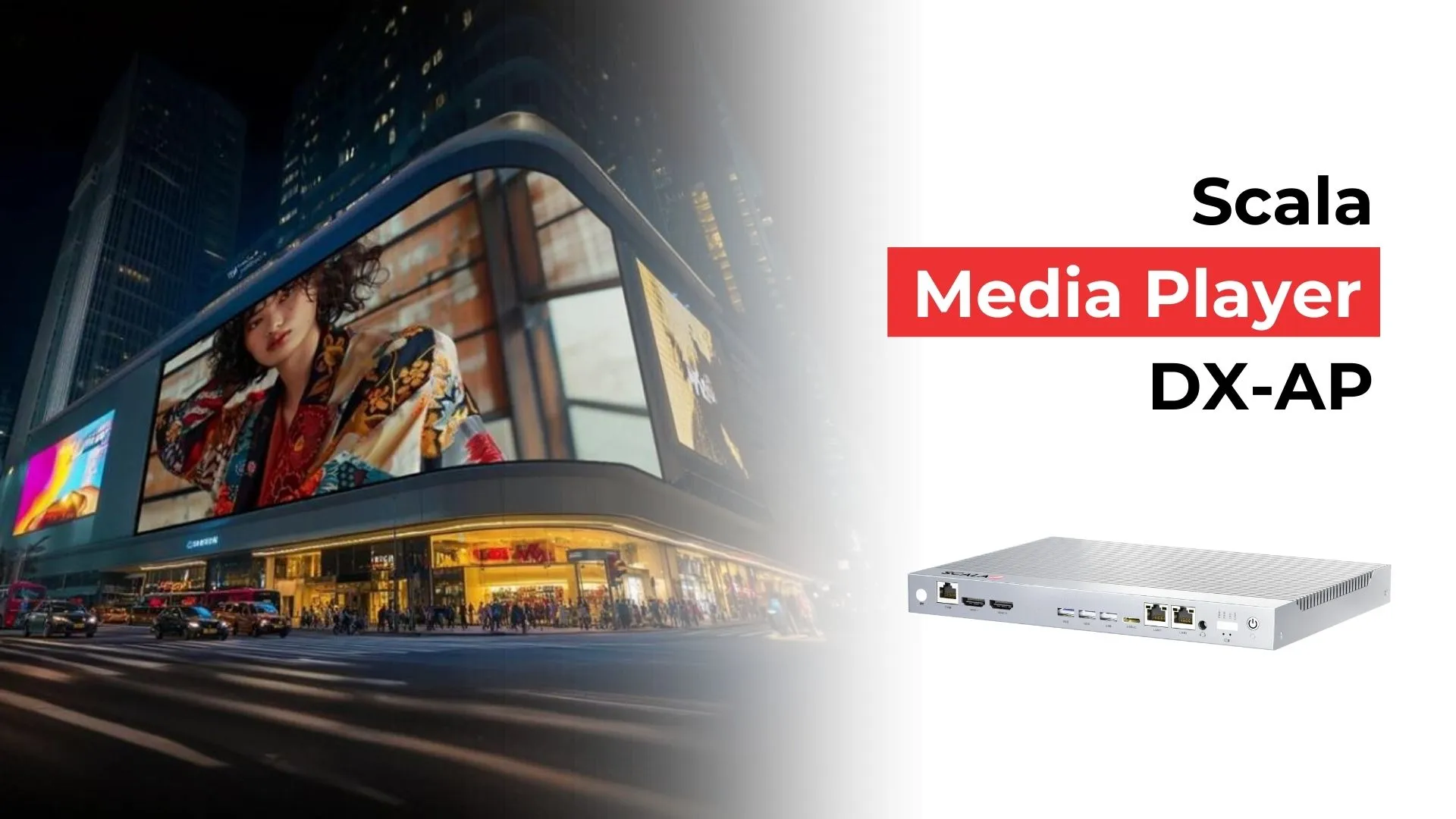
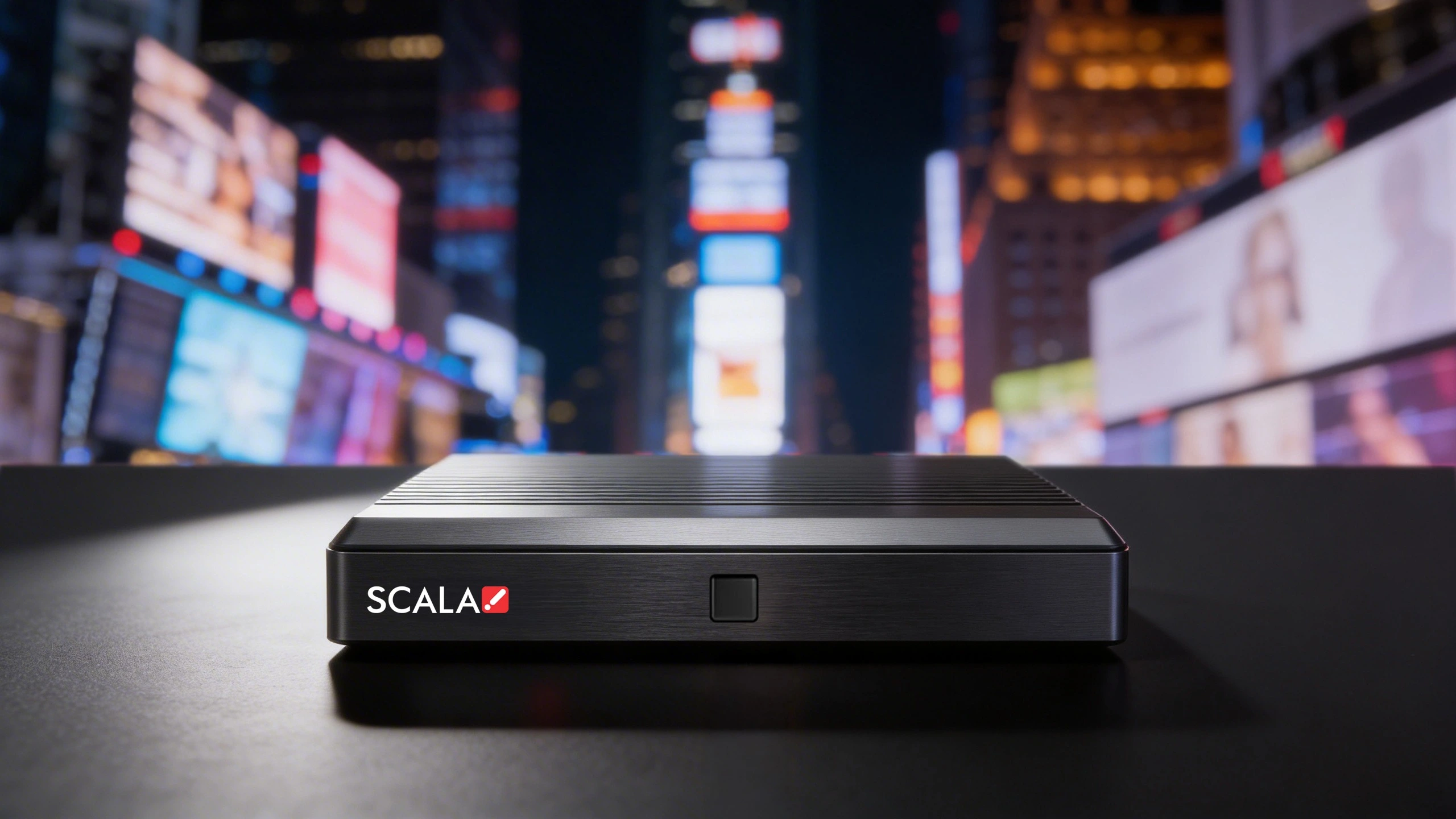
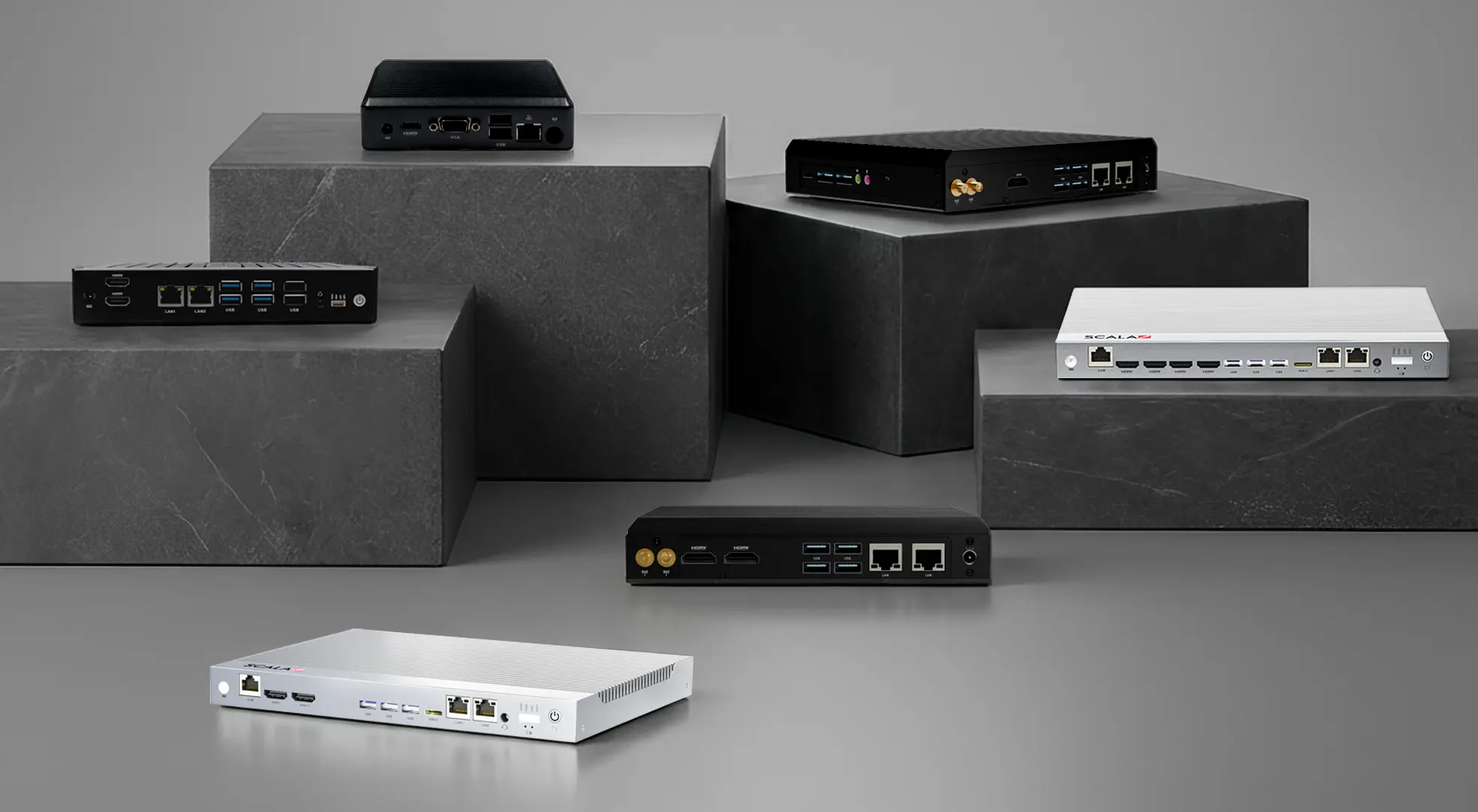
Scala Media Players are designed for environments where screens directly influence customer experience.
The strategic question isn’t whether Windows Media Player works. It’s whether your brand’s customer-facing communication should depend on software that was never designed to manage it at scale.
If your organisation is reviewing its digital signage architecture across India, the conversation should move beyond playback features and toward control, visibility, and resilience. Learn more at scala.com/in
About the Author:
Jasdeep Kohli, is the Vice President Marketing – APAC at STRATACACHE/SCALA, where he leads the regional marketing, product positioning, and growth strategy across Singapore, India, Australia, Japan, and Southeast Asia. His profound expertise in retail technology and customer experience design helps enterprise brands modernise their physical environments through intelligent digital signage, real-time engagement platforms, and AI-driven content orchestration.
Jasdeep’s work focuses on enabling retailers, QSRs, BFSI networks, and large-format enterprises to create frictionless, scalable customer journeys that drive measurable impact across Asia-Pacific.