
The First Five Minutes Matter: Designing Seamless Immigration Experiences for High-Growth Aviation Markets
by Tahir Imran
The First Five Minutes Matter: Designing Seamless Immigration Experiences for High-Growth Aviation Markets
by Tahir Imran
From the perspective of the airport staff, the first five minutes are about risk: validating their identities, screening against watchlists and keeping queues under control. When passenger volumes increase alongside holiday peaks, a manual airport immigration process increases traveller wait times and lengthens processing times for immigration staff.
High-growth hubs are responding to increasing passenger volumes by deploying self-service immigration kiosks that can process simple tasks away from manned counters, capture biometric and document data accurately and give immigration officers more time to focus on more important tasks rather than basic form filling.
What a Good Immigration Kiosk Journey Looks Like
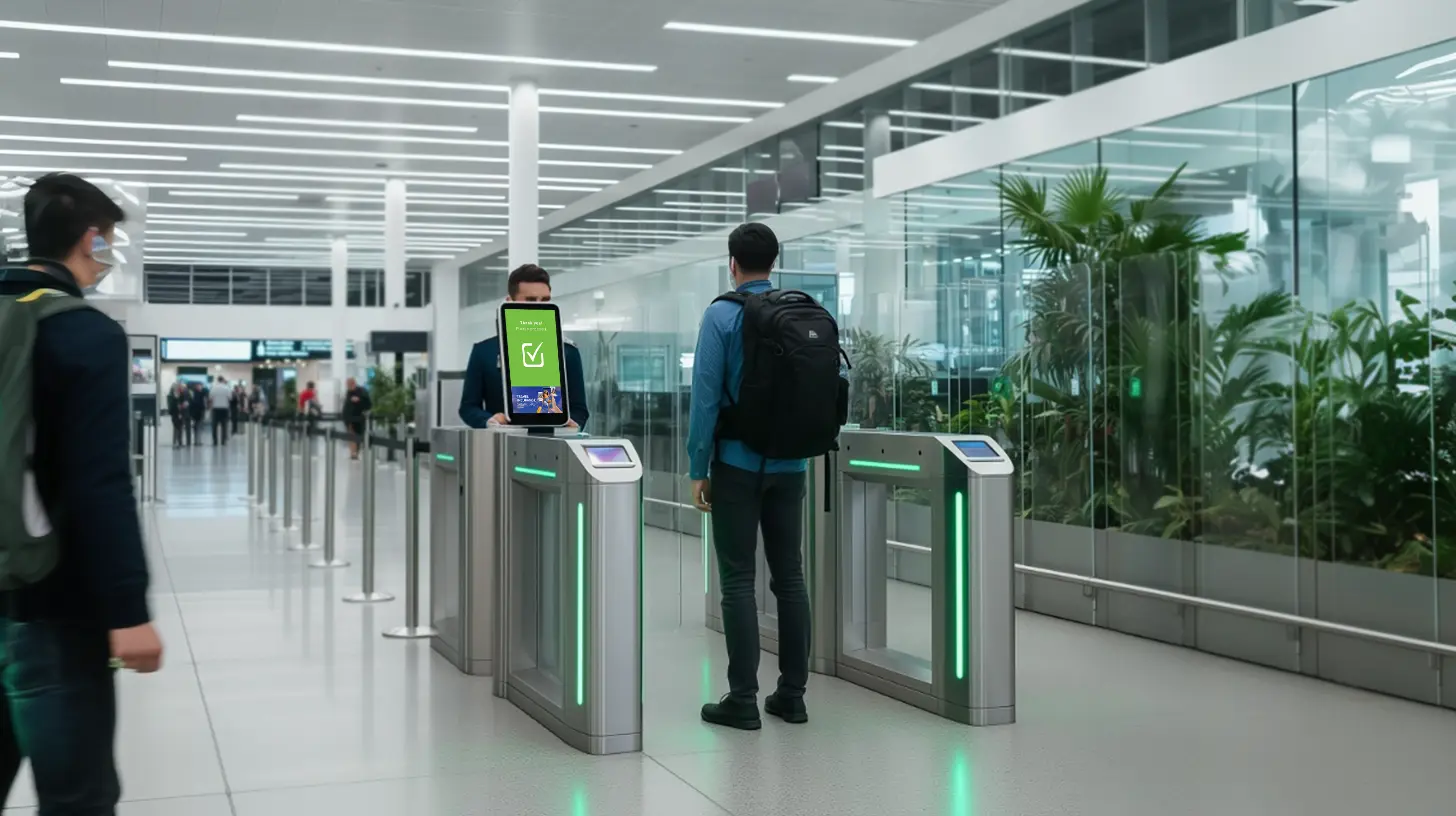
A modern Immigration kiosk is much more than a touch screen bolted to the floor. Think of it as a mini automated border-control lane. Scala’s Automated Immigration Management System (AIMS), for example, can combine document capture, biometrics and guidance into a structured flow. A well-designed journey should have a pattern below:
- Welcome & orientation
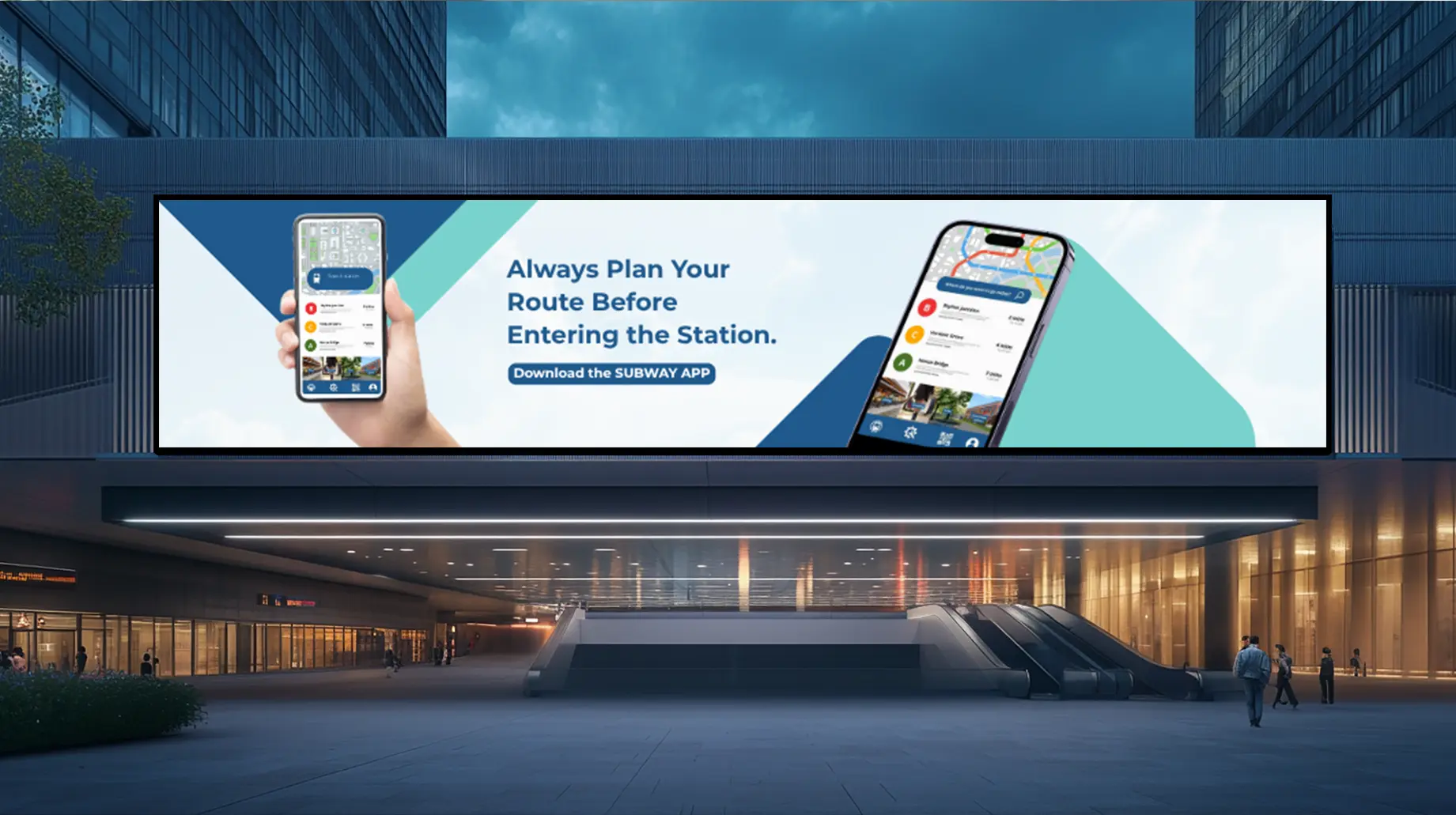
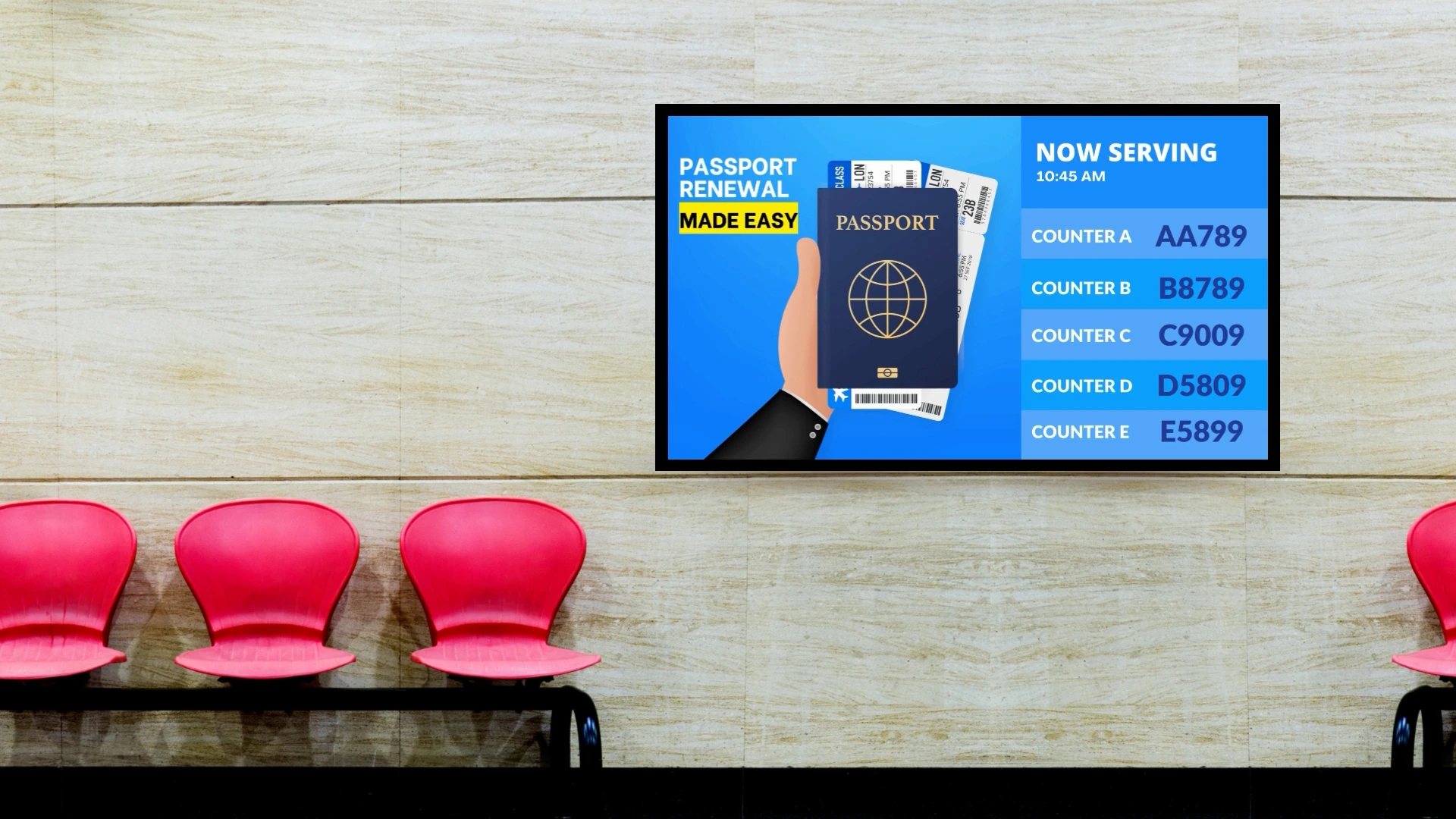
Clear digital signage tells passengers (citizens, residents, visitors, families) where to go and what to prepare: a passport, a visa and a boarding pass. This reduces hesitation and keeps queues moving. - Document & data capture
Scan passports, then the system reads the chip and checks basic validity. - Biometric verification
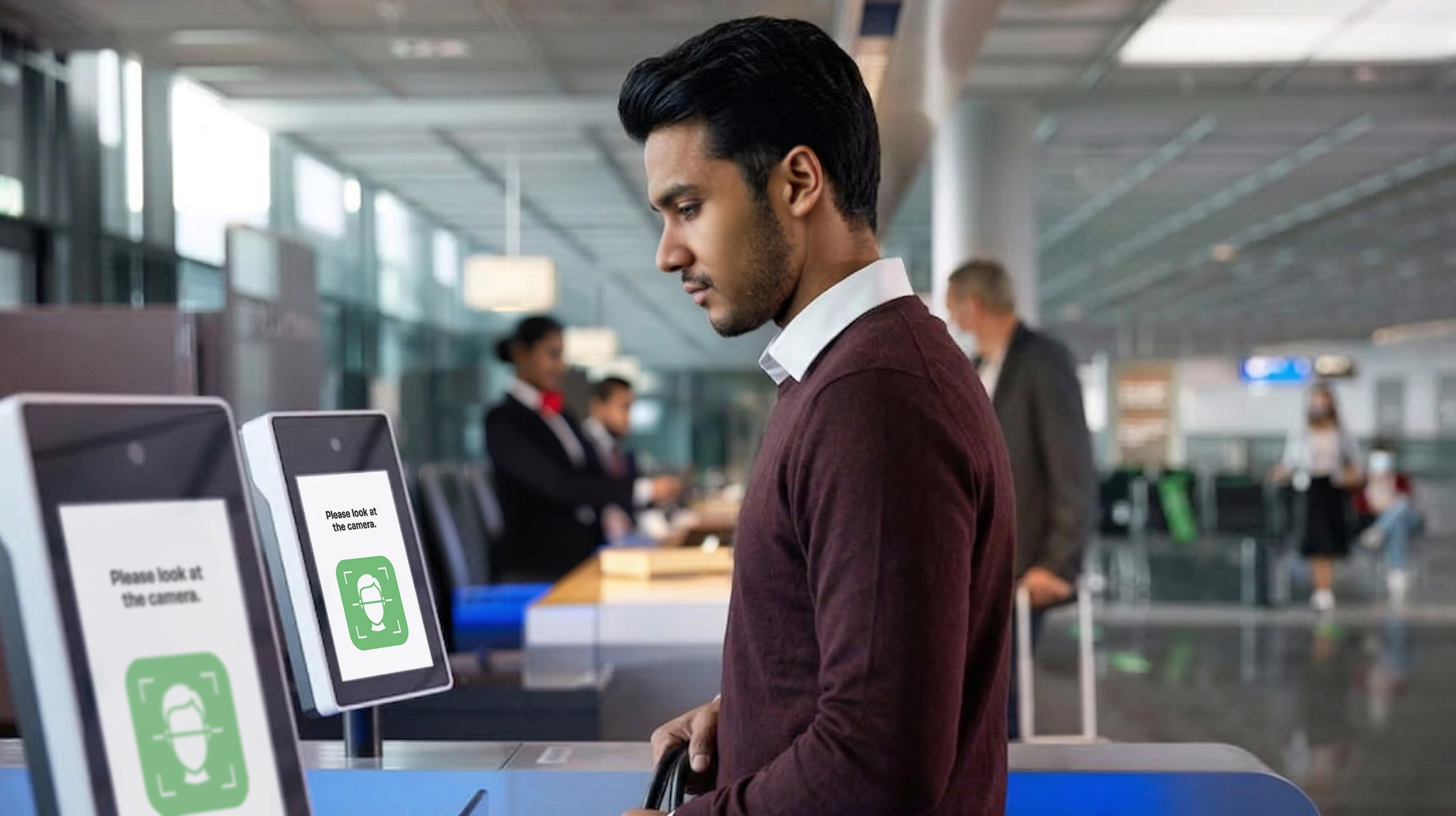
The immigration kiosk captures facial biometrics and then runs real time checks using secure algorithms. - Questions, declarations & confirmations
Instead of filling forms at a counter, travellers respond to on screen questions (available in multiple languages) and confirm their details. Smart error handling prevents simple mistakes from turning into officer escalations. - Result & onward flow
Once cleared, the passenger receives a digital or printed confirmation, then follows on screen wayfinding for final inspection or directly to baggage. This last process will depend on the airport flow.
Throughout this process, a well configured digital immigration solution ensures that each screen is clear, consistent and context aware.
The Role of Biometrics in Secure Flows
Security can’t be an afterthought in immigration. Scala’s Automated Immigration Management System (AIMS) builds secure biometric identity checks into the heart of the immigration kiosk experience.
Key elements include:
- Automatic fingerprint or facial recognition with anti spoofing.
- Real time verification against immigration databases, integrated via secure APIs.
- End to end encryption for the passport and biometric data that’s aligned with local privacy laws and global standards.
Officers can get cleaner data, better audit trails and time to focus on high risk cases.
Challenges Airports Need to Design Around
Simply installing self-service immigration kiosk hardware isn’t enough. Airports and authorities have to plan for real world conditions:
- Varied passenger demographics
Interfaces must work for first time flyers, seniors, families with kids and frequent travellers. UX, language options and screen design matter as much as the underlying tech. - Different passport and visa rules
High growth markets often serve complex route networks. Kiosks need configurable flows to accommodate country specific requirements, transit scenarios and special categories of travellers. - Operational peaks and disruptions
Systems must withstand peak arrival waves while maintaining a predictable airport immigration process. Good queue management and real time content updates can ease perceived wait times. - Cybersecurity and uptime
The kiosks need an enterprise grade operating environment, hardened against cyber threats and unauthorised access.
These are exactly the issues Scala’s Automated Immigration Management System (AIMS) is built to address, from monitoring to content control and workflow design.
How Scala’s Platform Supports Better Immigration Experiences
Scala’s Automated Immigration Management System (AIMS) is designed from the ground up for border control environments. It brings together secure ID verification, guided UX and robust operations in one solution.
Some of the core elements:
- Secure Biometric Identity
Automated face and fingerprint matching with liveness checks, integrated with immigration systems for real time decision-making. - Streamlined Passenger Workflow
Step by step guidance, from welcome to completion, with built in error handling so fewer passengers get “stuck” and need manual help. - Deep System Integration
Integrating passenger management systems with national immigration databases ensures that the information is always up to date. - Data Security & Compliance
Ensures the data is secure and aligns with regulations and international standards. - Robust Operating Platform
An enterprise-grade OS can protect kiosks and their content against any tampering.
If you’re planning to upgrade the airport immigration process, Scala’s team based in India can work with you to deploy a scalable self-service immigration kiosk solution.
About the Author:
Tahir Imran is Assistant Vice President, Research and Development, responsible for leading and managing the research and development efforts of STRATACACHE/ Scala in Asia-Pacific. With a background in science and engineering, he has extensive experience in research, product development, and project management. He works closely with teams across the organisation from marketing to operations and sales, to develop and implement strategies for new product development, as well as improve existing products. He stays up-to-date on industry trends and emerging technologies, leveraging this knowledge to drive innovation and maintain a competitive edge in the marketplace.