
Digital Signage in Public Infrastructure: Why Reliability Matters More Than Resolution
by Scala Team
Digital Signage in Public Infrastructure: Why Reliability Matters More Than Resolution
by Scala Team
A screen with vibrant resolution means it only fails slightly in the heat, goes offline during high-traffic times, and becomes unreadable in bright sunlight. For public environments, reliability is the top feature that each public infrastructure needs.

Why Reliability Comes First
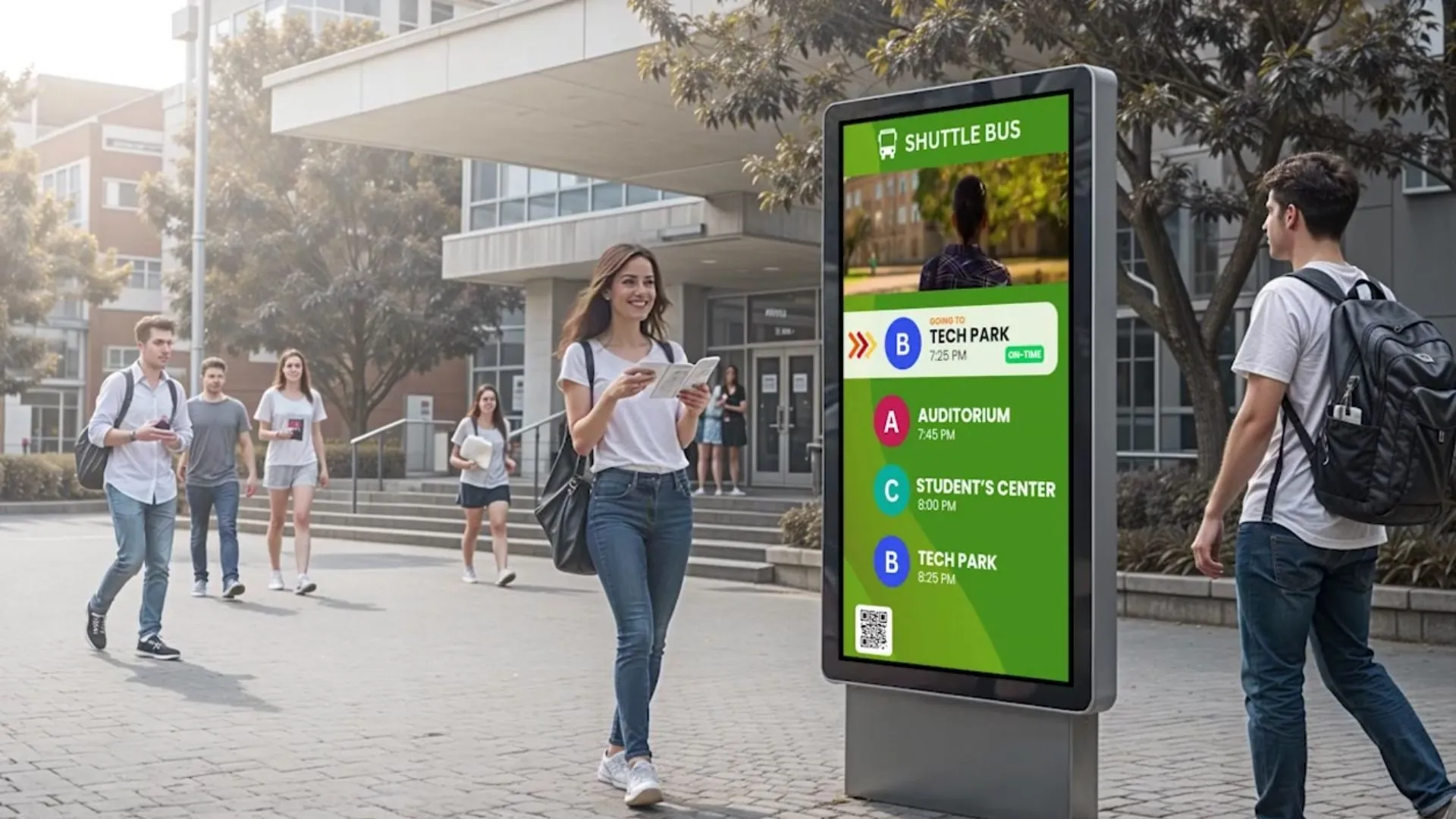
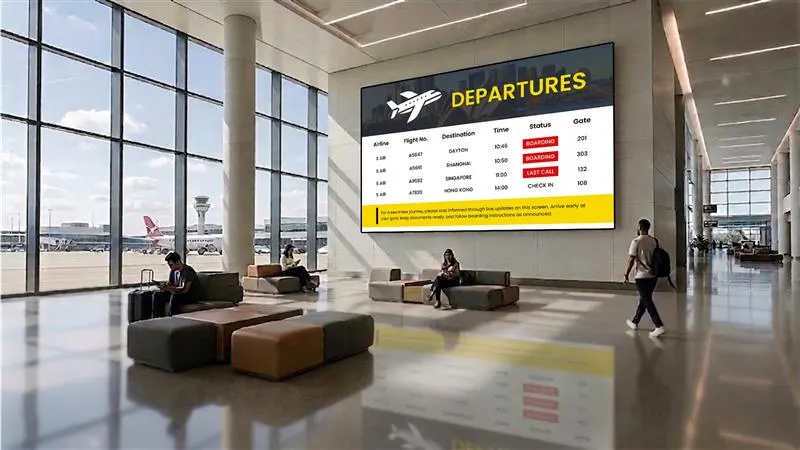
The main priority of public infrastructure is to serve crowds without interruption. Important information should be available for people in places such as an airport departure board, a rail platform, a city information screen, or a government office. Outdoor digital signage tends to face bright sunlight, changing temperatures, wind, and dust; that’s why they need weatherproof enclosures, a stable player and hardware to remain visible, functional and always up to date.
What Public Spaces Really Need
When organisations are ready to explore digital signage solutions for public infrastructure, the first features they should look out for are the uptime, visibility in different environments and the ability to do remote management. Those in transportation hubs need clear directions on transit schedules, real-time service updates and accurate guidance in government buildings. In each of these cases, the outdoor digital signage needs to deliver critical information without delay.
- Enterprise-grade hardware for 24/7 operations
- Weatherproof enclosures
- Centralised content management so updates are seen instantly across different locations
- Easy-to-read and visible layouts that are legible even in poor lighting
Resolution Just a Part of the Story
When choosing an outdoor digital signage, the specs can get confusing and the different resolutions, such as 4K, 8K, or ultra high brightness, can be a distraction. These features can be helpful, but they are only useful and can be optimised when a screen stays on, stays connected and readable in any environment. In public infrastructure digital signage, the bigger question is not “How sharp is the image?” but “Will this information still be visible and accurate when it matters?”
As an example, an outdoor digital signage screen that becomes unreadable in direct sunlight is a poor fit for a bus stop, while a lower-spec display with the right brightness, enclosure and playback stability can perform better. The best installations are engineered for the location first, then optimised for visual quality.
Outdoor Environments Demand More
Australia’s public spaces can be unforgiving for screens; summer heat, glare, rain and dust can all undermine a poorly chosen system.
Key factors include:
- Weather resistance that includes protection against rain and dust
- Brightness for visibility
- Thermal management to help prevent overheating
- Proper mounting and vandal-resistant
- Reliable media players that keep content running even under load.
These are not optional features; they should be essential for any display that supports public movement, civic communication, or transport operations.
Where Reliability Makes the Biggest Difference
The most common public infrastructure in Australia depends on near-perfect reliability:
- Transport: real-time arrivals, delays and platform guidance.
- Airports: wayfinding, passenger information or emergency updates.
- Civic buildings: queue management, visitor guidance and service updates.
- Smart cities: public alerts, community information and event messaging.
In each case, downtime can create confusion, crowding and delays. That’s why the back-end platform matters just as much as the display itself. A strong digital signage solution and content management system should include remote monitoring, simple content scheduling and quick recovery when something goes wrong.
Recommended Approach to Public Infrastructure
To meet the specific demands of public infrastructure, Scala’s digital signage solutions focus on reliable performance, centralised management, and seamless integration for high-traffic environments. For public spaces, the advantage is clear: when the signage platform is reliable, it allows operators to focus on service rather than troubleshooting. The content always stays updated, passengers stay informed and the infrastructure feels more professional and responsive.
Better Experiences Start with Better Infrastructure
Public infrastructure digital signage should do more than just display informational content; it should be able to reduce stress, guide movement and improve confidence for the people using the space. This can only happen when public infrastructure digital signage is designed with durability, clarity and reliability at the core.
For Australian organisations planning their next deployment, the right decision is rarely the flashiest display. It’s the one that will still be running, still be readable and still be delivering value when the day gets busy, the weather turns hot, or the crowd suddenly grows.
That is where well-designed digital signage solutions and purpose-built outdoor digital signage create the most impact: not in the showroom, but in the real world. Learn more at scala.com/au
About the Author:
Scala digital signage experts share their experience and thoughts in our blog to provide practical tips and advice for real-world applications. Our team aims to offer interesting content through a variety of formats including long form articles, video logs, interviews and infographics.
Recent Blogs
Transforming Orientation Week: Empower University Spaces with Smart Campus Digital Signage

End-of-Financial-Year Innovation: How Australian Retailers Are Using Digital Signage to Drive Conversions and In-Store Engagement